
Uterine fibroids are the most common non-cancerous tumours affecting the uterus. These benign growths develop in the muscle layer of the uterus and can affect women, primarily during their childbearing years. While many fibroids remain asymptomatic, they can lead to complications like bleeding, pain, and even infertility in some cases. Knowing when to seek medical advice is crucial to managing this condition effectively.
What Are Uterine Fibroids?
Uterine fibroids are small, benign nodules that grow in the muscle layer of the uterus. They are categorised based on their location within the uterus:
- Intramural fibroids – grow within the muscular wall of the uterus.
- Subserosal fibroids – develop on the outer surface of the uterus.
- Submucosal fibroids – grow beneath the uterine lining, often causing heavy bleeding.
- Cervical fibroids – arise in the cervix.
- Broad ligament fibroids – develop in the ligament supporting the uterus.
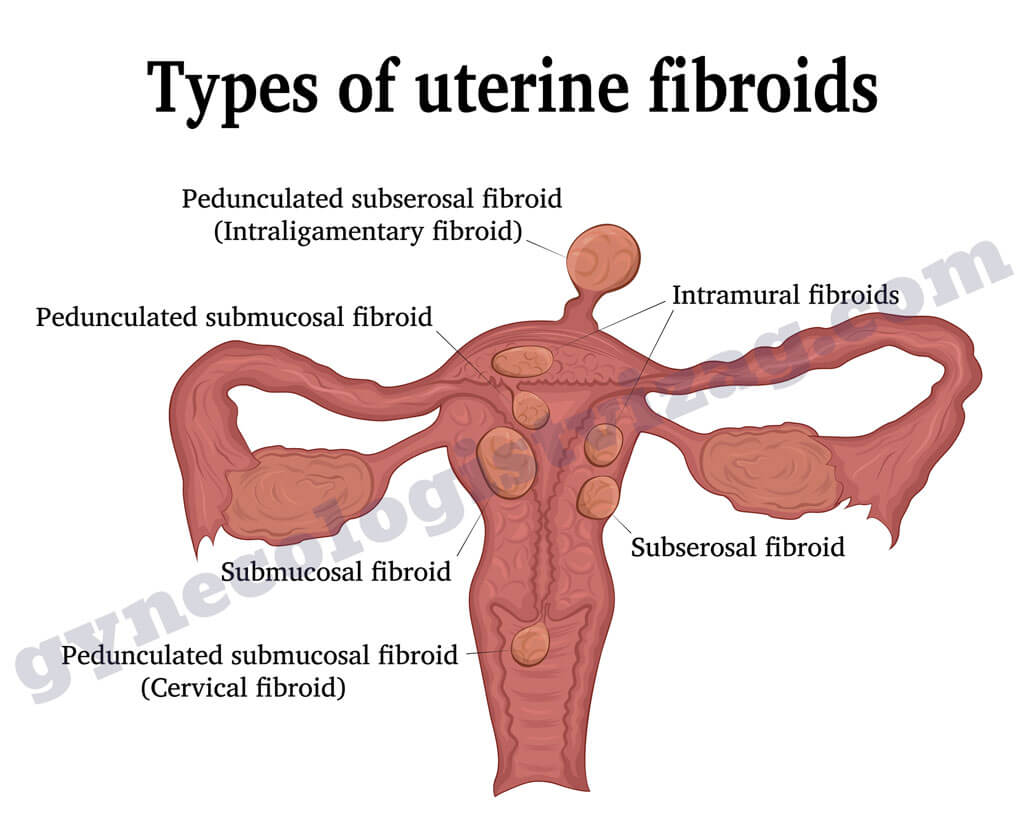
Many women may have more than one type of fibroid, and their size and location determine the symptoms and potential complications.
Causes of Uterine Fibroids
While the exact cause of fibroids remains unknown, hormonal and genetic factors are believed to play a significant role. Oestrogen and progesterone, hormones responsible for stimulating the uterine lining during the menstrual cycle, also appear to promote the growth of fibroids.
Risk Factors for Uterine Fibroids
Certain factors may increase the risk of developing uterine fibroids:
- Family history: Women with a family history of fibroids are more likely to develop them.
- Diet: A high-fat diet, particularly one rich in red meat and low in vegetables, may contribute to fibroid growth.
- Other factors: Conditions like obesity, polycystic ovarian syndrome (PCOS), and a hyperoestrogenic state (high oestrogen levels) are linked to a higher likelihood of developing fibroids. Women who have not had children (nulliparity) are also at higher risk.
Symptoms of Uterine Fibroids
The symptoms of uterine fibroids can vary greatly depending on their size, location, and number. In fact, about 75% of women with fibroids experience no symptoms at all. However, when symptoms do occur, they may include:
- Heavy or prolonged menstrual bleeding
- Intermenstrual bleeding (bleeding between periods)
- Pelvic pain or pressure
- Pain during intercourse (dyspareunia)
- A noticeable mass or swelling in the abdomen
- Frequent urination or difficulty emptying the bladder
- Constipation or other bowel disturbances
- Recurrent miscarriages or preterm labour
- Infertility
When to See a Gynaecologist
If you experience any of the symptoms mentioned above, it’s essential not to ignore them. Conditions like prolonged heavy bleeding, pelvic pain, and recurrent pregnancy loss may signal the need for medical intervention. Additionally, fibroid growth tends to accelerate during pregnancy due to increased hormone levels and may shrink after menopause as oestrogen decreases. However, untreated fibroids can lead to severe complications, so regular check-ups with a gynaecologist are essential.
Potential Complications
In some cases, untreated fibroids can grow to large sizes, leading to several complications:
- Bladder and bowel pressure: Large fibroids can press against the bladder and intestines, causing urinary issues and constipation.
- Anaemia: Heavy menstrual bleeding can lead to a dangerous drop in blood haemoglobin levels, causing anaemia.
- Risk of cancer: Although rare, some fibroids can develop into a cancerous form known as sarcoma.
- Infertility and pregnancy complications: Fibroids can contribute to infertility and increase the risk of miscarriage or preterm labour.
Practical Tips for Managing Uterine Fibroids
Here are some practical tips to help manage fibroid symptoms and improve your overall reproductive health:
- Maintain a healthy diet: Incorporating fruits, vegetables, and whole grains while minimising red meat and high-fat foods may help reduce fibroid growth.
- Exercise regularly: Physical activity can help manage weight and reduce hormone levels that promote fibroid growth.
- Monitor your symptoms: Keep track of your menstrual cycle and any unusual symptoms like heavy bleeding, pelvic pain, or difficulty urinating. These could indicate fibroid growth.
- Regular gynaecological check-ups: Even if you feel healthy, regular visits to a gynaecologist can help detect fibroids early before they cause complications. It’s recommended to schedule a check-up at least every six months.
Treatment Options for Uterine Fibroids
Not all fibroids require treatment. Small, asymptomatic fibroids are often monitored through regular check-ups. However, if you experience significant symptoms, treatment options may include:
- Medication: Hormonal therapy to manage symptoms or shrink fibroids.
- Minimally invasive procedures: Techniques like uterine artery embolisation (UAE) or laparoscopic surgery to remove fibroids.
- Surgery: In more severe cases, a myomectomy (removal of fibroids) or hysterectomy (removal of the uterus) may be necessary.
Consult Gynaecologist in Vizag
If you’re experiencing symptoms of uterine fibroids or are concerned about your reproductive health, don’t wait to seek help. Dr. Ramya Sadaram is a highly experienced and top-rated gynaecologist in Visakhapatnam who specialises in diagnosing and treating uterine fibroids. With a holistic approach to women’s health, she offers personalised care to ensure the best outcomes for her patients.
Book a consultation today with Dr. Ramya Sadaram and take control of your reproductive health. Early detection and treatment of fibroids can significantly improve your quality of life and prevent long-term complications. Don’t hesitate – schedule your appointment now!