
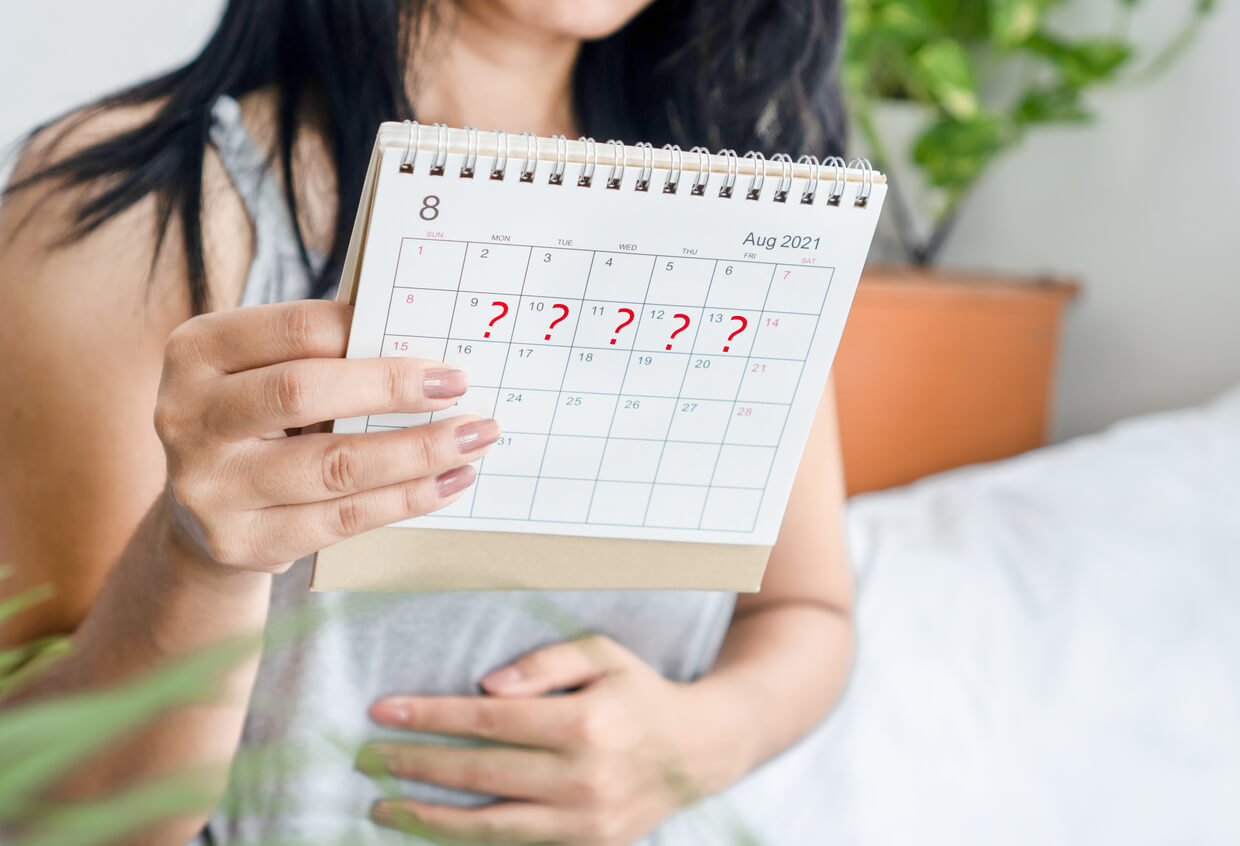
Your menstrual cycle is a crucial indicator of your overall health. Nearly 30% of women experience irregular periods at some point, leaving them feeling off balance. Late periods, skipped months, heavy flows, and unpredictable cycles can really disrupt your life.
But irregular periods aren’t just a minor inconvenience. They could signal an underlying health issue like a hormonal imbalance, PCOS, or even a thyroid problem.
Ignoring irregular periods is like hitting the snooze button on a fire alarm—dangerous! The good news? Most of the time, there’s a solution. The key is recognizing when to take action and seeking professional advice.
In this article, we’ll explore the causes of irregular periods and when to consult a gynecologist.
Why Do Irregular Periods Happen?
Irregular periods can be more than just an inconvenience—they’re often your body’s way of telling you something’s off balance. Teenagers experience irregular cycles as their hormones fluctuate and settle. By 17 or 18, most find their periods more regular. However, for women in their 20s, 30s, or 40s, there may be more at play.
Hormones are often the culprits. Your cycle is regulated by estrogen and progesterone, and when these hormones are off, so is your period. Stress, weight changes, and contraceptives can also affect your hormones. Intense exercise or crash diets can cause missed periods or cycles longer than usual.
As you reach your 40s, perimenopause plays a significant role. Hormone fluctuations become more pronounced, leading to irregular cycles, lighter or heavier bleeding, and even missed periods. It’s your body’s way of preparing for menopause. It’s normal, but not something to ignore. Talk to your doctor about any changes you notice. Early diagnosis and treatment can help manage symptoms and reduce the risk of health complications.
Medical Conditions that could lead to Irregular Periods
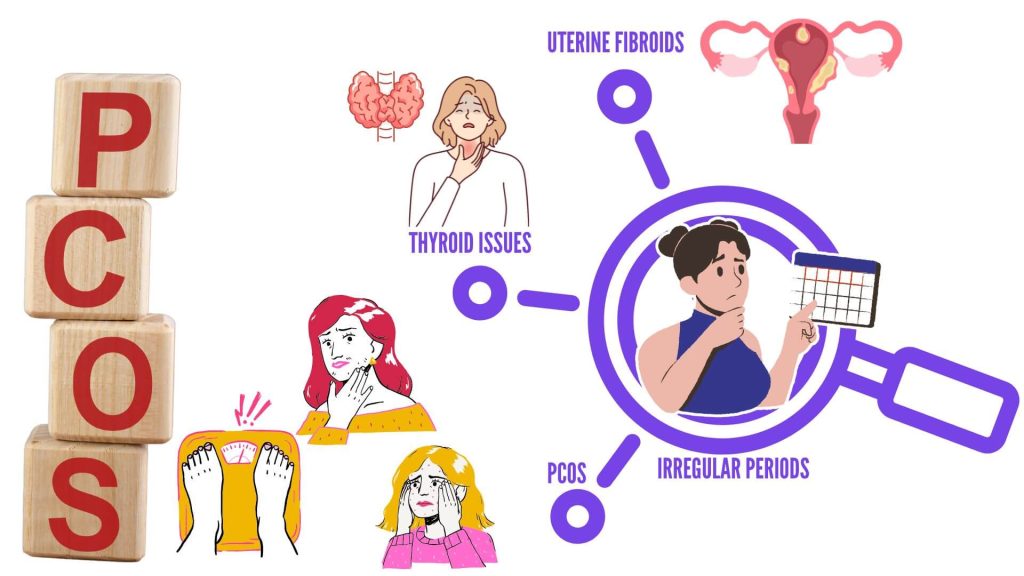
Sometimes, irregular periods are your body’s way of saying, “Hey, something’s not right!” One of the most common culprits is Polycystic Ovary Syndrome (PCOS). PCOS is a hormonal disorder that disrupts ovarian function, leading to irregular or missed periods. It often comes with acne, weight gain, and even excess body hair.
Another factor? Thyroid disorders. Whether your thyroid is underactive or overactive, it can throw your cycle off balance. Think of your thyroid as your body’s thermostat. When it’s off, everything else, including your periods, gets disrupted.
Uterine fibroids and endometrial polyps are also culprits. These non-cancerous growths in the uterus can cause heavy or irregular bleeding. In some cases, irregular periods could even warn of something more serious, like endometrial cancer, especially in women who’ve reached menopause. Keeping track of any cycle changes and consulting a gynecologist is essential.
After Marriage or Miscarriage
For some women, irregular periods may start after significant life events like marriage or miscarriage. Emotional stress, physical changes, or contraceptive method shifts can all contribute. It’s not uncommon, but it’s important to stay vigilant. After a miscarriage, your menstrual cycle may take time to normalize. If irregular periods persist beyond a few months, it’s best to consult a gynecologist to rule out complications.
Post-childbirth and Breastfeeding
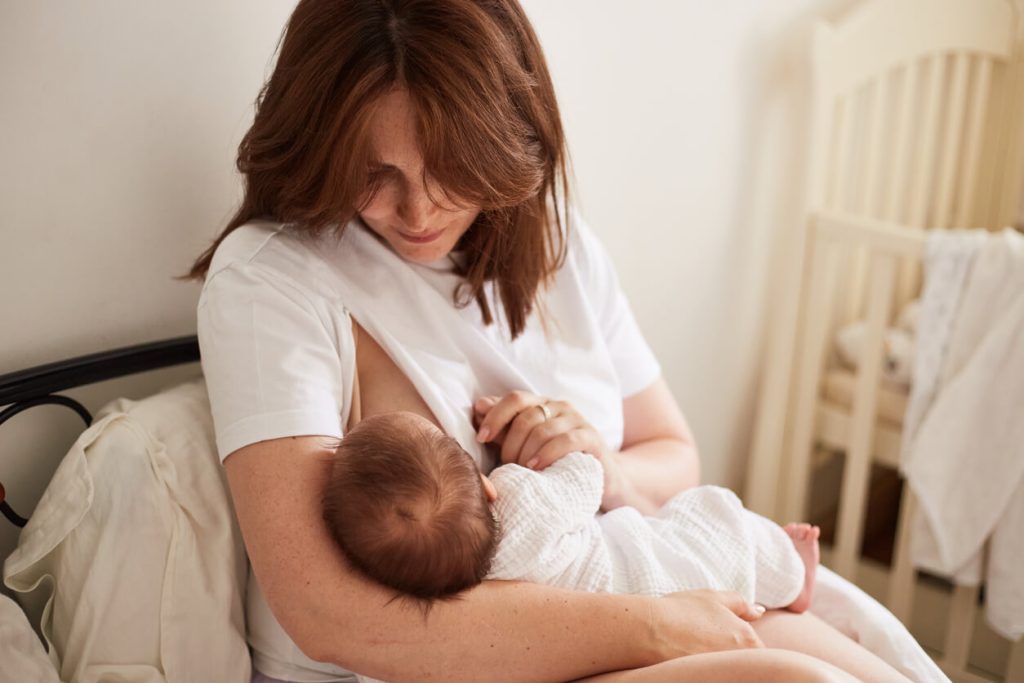
After childbirth, your body undergoes hormonal shifts. During breastfeeding, the hormone prolactin (which stimulates milk production) suppresses ovulation, leading to delayed or absent periods. This hormonal shift explains why many women don’t have regular periods while breastfeeding. However, as your body adjusts, your cycles should return to normal. If irregular periods persist long after breastfeeding, it’s worth checking with a gynecologist.
When Should You See a Gynecologist for Irregular Periods?
Not all irregular periods are the same! So, when is it time to see a gynecologist? If your cycle is consistently shorter than 21 days or lasts more than 35 days, that’s a signal. Skipping periods for months? That’s another sign to visit your gynecologist. Heavy bleeding, severe pain, or unusual symptoms like chest pain, fever, or spotting between periods are also indicators of something serious.
If you’re trying to conceive but struggling due to unpredictable ovulation, don’t let these issues linger! A gynecologist can help you find the root cause and guide you toward a solution.
Fertility and Irregular Periods
If you’re trying to conceive, irregular periods can complicate things. Why? Because an unpredictable cycle often means irregular ovulation—or no ovulation at all. Without ovulation, getting pregnant becomes more difficult. Conditions like PCOS or thyroid issues can add another layer of complexity to your fertility journey.
But here’s the good news: fertility treatments and ovulation-tracking tools can make a difference! If irregular periods are standing in your way, working with a gynecologist who specializes in irregular cycles can significantly boost your chances of a healthy pregnancy.

What Else Should You Look Out For?
Irregular periods don’t just affect your schedule—they come with other symptoms too. Have you experienced weight gain, especially around the midsection, or noticed acne or hair thinning? These are common signs that your hormones might be out of balance, especially for women with PCOS.
You may also experience bloating, breast tenderness, or stomach cramps. Spotting between periods, brown discharge, or larger blood clots are also possible. These symptoms aren’t always a reason to panic, but they shouldn’t be ignored either.
In rare cases, symptoms like chest pain or fever during your period should be taken seriously. They may signal an infection or another health issue that requires immediate medical attention.
Treatment for Irregular Periods
Now, let’s talk about what you can do for irregular periods. Treatment depends on the cause. Sometimes, simple lifestyle changes make a big difference. If stress is the cause, mindfulness practices or reducing intense workouts may help regulate your cycle. Adjusting your diet to include nutrient-dense foods may also balance your hormones.
If the issue is hormonal, like PCOS or thyroid imbalance, your gynecologist may recommend birth control pills or other hormone-regulating medications to get your cycle back on track. Regular physical activity is essential for regulating periods. Moderate exercise helps maintain a healthy weight, balances hormones, and reduces symptoms of PCOS. Additionally, exercise can alleviate stress, another common disruptor of your periods. In some cases, surgery might be needed if fibroids or polyps are causing the irregularity.
Managing Irregular Periods with
Dr. Ramya Sadaram
When it comes to managing irregular periods long-term, seeing a gynecologist is crucial. Dr. Ramya Sadaram, a gynecologist and fertility expert from Visakhapatnam, is here to help! She’s not only an expert in reproductive health but also in nutrition, and her holistic approach has transformed the lives of many women. Whether you’re dealing with hormonal imbalances, PCOS, or fertility challenges, Dr. Ramya tailors her treatment plans to fit your specific needs. She goes beyond just treating the symptoms, focusing on both physical and nutritional health to provide comprehensive, personalized care.
Conclusion
Irregular periods are common but shouldn’t be ignored. Whether you’re in your teens, 20s, or 40s, understanding the underlying cause of your irregular cycle is key to maintaining your overall health. If your periods have become unpredictable, it’s time to seek professional guidance. Consulting a gynecologist like Dr. Ramya Sadaram will help you get to the root of the problem and provide you with actionable solutions to bring your cycle back on track. Don’t wait for it to worsen—take control of your menstrual health today!