Comments Off on Guide to healthy Baby Weight During Pregnancy
Ever wonder, “How do I know my baby is growing normally?” or “Is my baby growing as expected?”. Don’t worry; you’re not alone. Many expectant mothers share this concern, and it’s a natural desire to know how your baby is developing. Let’s dive into each stage of your baby’s weight gain and learn how you can help support healthy growth.
The Early Months: Building the Foundation
From now until the end of month five, your baby is constantly doing something truly miraculous—forming all the major organs. Weight gain is not yet a priority; it’s more about laying the foundation for the rest of the pregnancy. So if your little one isn’t packing on the pounds early on, don’t fret; they are focusing on the essentials!
Month-by-Month Fetal Weight Guide
Knowing the range of normal fetal size can help ease any anxiety. Here’s a general idea of what to expect:
5th Month (Around 20 Weeks)
Expected Weight: 250 to 350 grams
This is the weight gain period of your baby. Muscles are developing, and some moms even start to feel those first nice kicks! It’s an exciting time as movement becomes more observable.
The First Kicks: A Sign of a Pregnancy Milestone
7th Month (28 Weeks)
Expected Weight: 900 grams to 1.2 kg
Your baby is growing rapidly now. Eyes can open and close, and sleep cycles are developing. It’s amazing how much change happens in just a few weeks!
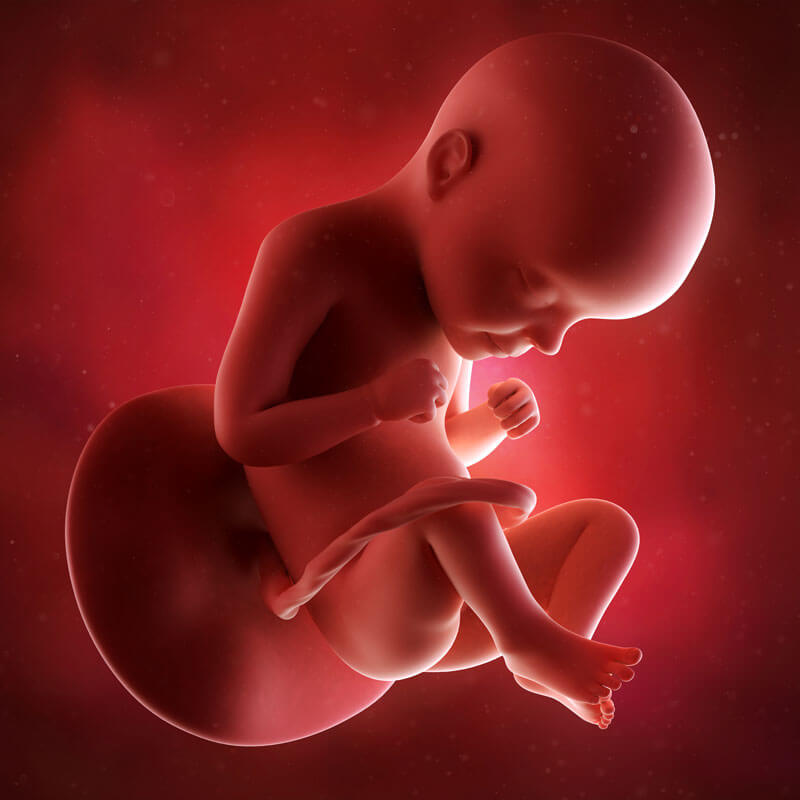
Glimpse Inside: Fetal Development at 28 Weeks
8th Month (32 Weeks)
Expected Weight: 1.8 to 2.2 kg
This is where perfection glistens. The fetus plumps up now, and the organs mature to face the outside world.
9th Month (36 Weeks and Beyond)
Expected Weight: 2.2 to 3.3 kg by 40 weeks
In the last weeks of your pregnancy, your baby will gain weight in preparation for a smooth delivery. Each baby grows at different rates and therefore needs slight differences when being weighed.
Factors Influencing Fetal Weight
Placental Health
The placenta is your baby’s lifeline, delivering oxygen and nutrients. If it is not functioning properly, growth might slow down. Regular check-ups ensure everything’s moving right on track.
Maternal Nutrition
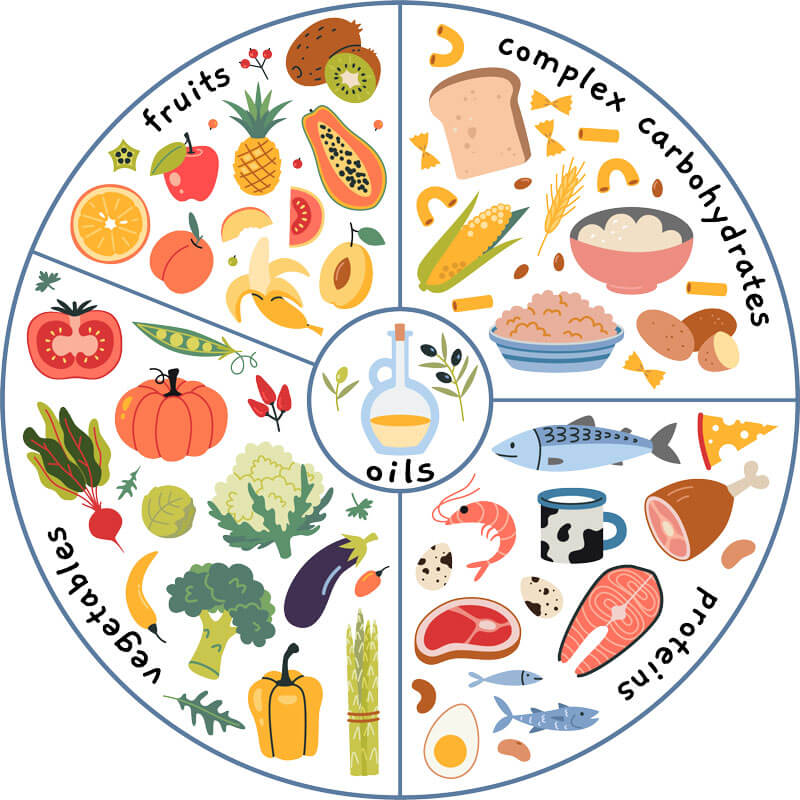
Nutrition plays a huge role in your baby’s growth. You must ensure they are well nourished with proteins, healthy fats, and whole grains to support healthy weight gain.
Take-Away Tip: Use lean meats, legumes, nuts, and whole grains for your diet. They are nutrient-dense while keeping additives at a minimum.
Blood Flow
Conditions like high blood pressure can affect the flow of blood to the placenta. Managing such conditions is important for your baby’s development.
Supporting Healthy Fetal Weight Gain
So, what activities can actively support your baby’s growth? Here are some practical steps:
1. Nourish with a Balanced Diet
Proteins: Eggs, fish, poultry, beans, and lentils
Healthy Fats: Avocados, olive oil, nuts, seeds
Whole Grains: Brown rice, whole wheat bread, oats
Focus on Nutrient-Rich Foods during Pregnancy
2. Stay Hydrated
Water aids nutrient absorption and helps keep amniotic fluid balanced. Keep a refillable water bottle handy and sip throughout the day. Aim for at least 8-10 glasses daily.
Drink at least 3 to 4 litres of water per day
3. Light Exercise & Yoga
Activities like walking or prenatal yoga can improve circulation and reduce stress.
Prenatal Yoga: Support for Health and Well-being
4. Regular Prenatal Check-ups
Monitor the baby’s growth and report any concerns by attending all scheduled appointments.
5. Manage Stress
High stress levels can affect fetal development. Incorporate relaxation techniques, such as deep breathing or meditation, into your daily routine.
When to Consult Your Doctor
If you have any concerns about your baby’s weight gain or notice reduced movement, it’s essential to consult with your healthcare provider. Early intervention can make a significant difference.
Personal Insights from Dr. Ramya Sadaram
Placeholder for Dr. Ramya’s personal anecdote or experience related to supporting fetal weight gain in her practice at Blissful Pregnancy Fertility and Gynae Clinic.
Final Thoughts
Knowing your baby’s weight during pregnancy helps you stay connected to their development. Continued nourishment, an active lifestyle, and stress management do wonders for your little one.
Remember, you’re not alone on this journey. If you have any questions or need personalized advice, feel free to ask!
Partnering with Your Doctor for a Healthy Pregnancy