
Sexually transmitted infections (STIs) are infections that spread primarily through sexual contact. However, many STIs can also be transmitted in other ways, such as sharing personal hygiene items or, in some cases, through close physical contact like kissing or breastfeeding. Understanding how these infections are spread, their symptoms, and how to protect yourself is crucial for maintaining sexual and overall health.
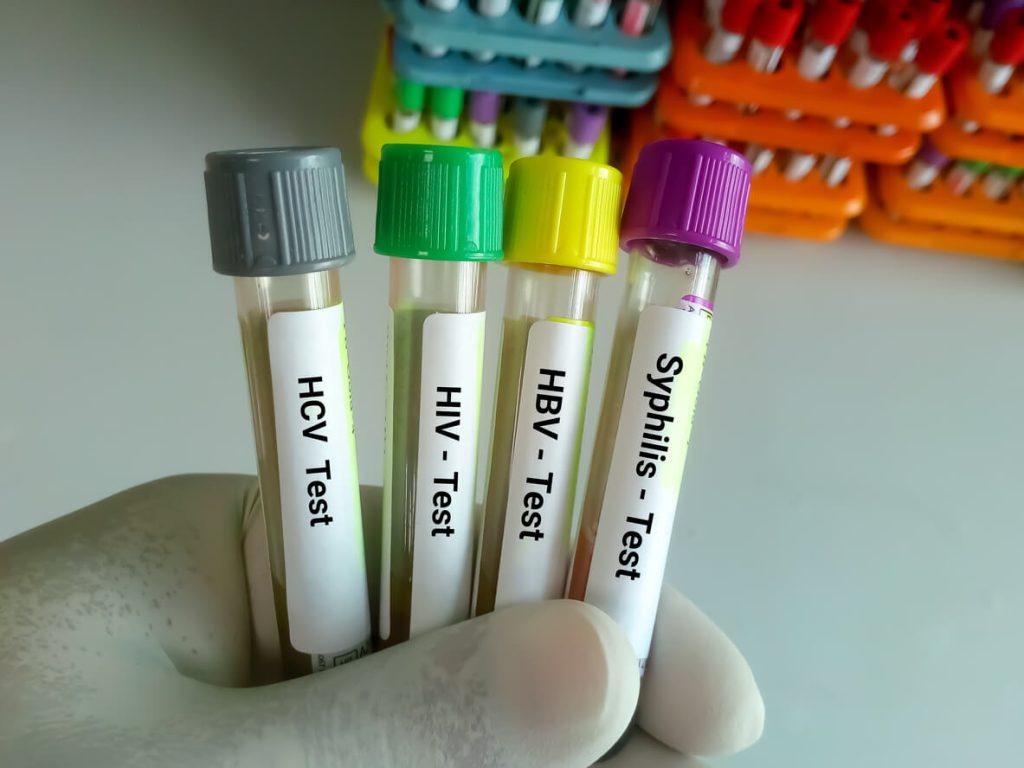
What Are STIs?
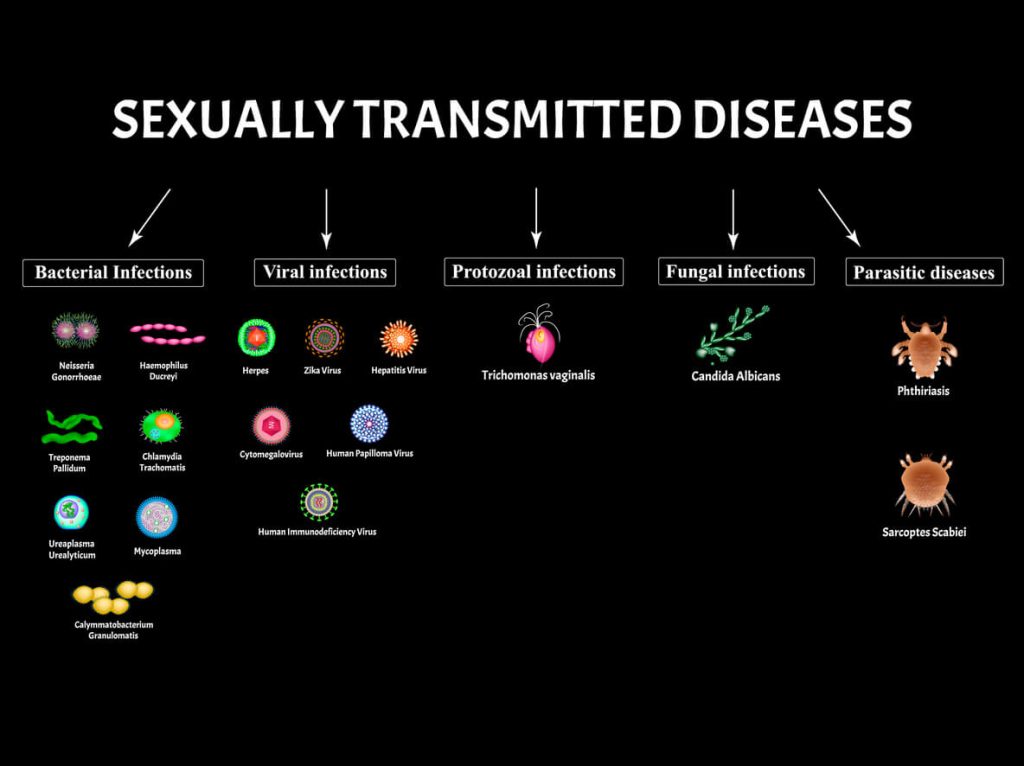
STIs are infections that are typically spread through vaginal, anal, or oral sex. Common STIs include:
- Syphilis
- Chlamydia
- Gonorrhoea
- Trichomoniasis
- Genital Herpes
- Human Immunodeficiency Virus (HIV)
- Human Papillomavirus (HPV)
- Cytomegalovirus (CMV)
Some STIs, such as Chlamydia and gonorrhoea, are caused by bacteria and can be treated with antibiotics. Others, like genital herpes and HIV, are viral infections that require antiviral treatments. Early detection and treatment are crucial to prevent complications.
How Are STIs Transmitted?
STIs are primarily transmitted through unprotected sexual contact. However, they can also spread in other ways:
- Household transmission: Sharing personal hygiene items like towels, razors, or toothbrushes may increase the risk of transmission for some infections.
- From mother to child: Some STIs, such as syphilis and HIV, can be passed from a pregnant woman to her baby during pregnancy, childbirth, or breastfeeding.
- Blood and bodily fluids: STIs can also be spread through blood transfusions, sharing needles, or even through saliva in cases of certain infections like cytomegalovirus (CMV).
Symptoms of STIs
Symptoms of STIs can vary depending on the type of infection, but it’s important to note that some STIs can remain asymptomatic, meaning you may not notice any symptoms at all. This is especially true for infections like Chlamydia, ureaplasmosis, and mycoplasmosis. When symptoms do appear, they typically affect the genitourinary system, including:
- Pain or discomfort during urination
- Unusual discharge from the penis or vagina
- Sores, blisters, or rashes around the genital area
- Pain during intercourse
- Lower abdominal pain
For some infections, like syphilis, the symptoms can affect other parts of the body, including the nervous system, leading to more serious complications if left untreated.
Complications of Untreated STIs
If left untreated, STIs can lead to severe health complications, some of which are irreversible:
- Infertility: Infections like Chlamydia and gonorrhoea can damage the reproductive organs, leading to infertility in both men and women.
- Pelvic Inflammatory Disease (PID): For women, untreated STIs can lead to PID, a serious infection of the reproductive organs.
- Chronic pain: Some STIs can cause long-term pelvic or genital pain.
- Increased risk of HIV: Having an untreated STI can increase the risk of contracting HIV.
Preventing STIs
Preventing STIs requires taking proactive steps to protect yourself and your partners. Here are some key preventive measures:
- Use protection: Consistently using condoms or dental dams during sexual activity significantly reduces the risk of STI transmission.
- Get vaccinated: Vaccines are available for certain STIs, such as HPV and Hepatitis B. Speak to your gynaecologist about vaccination options.
- Get regular testing: Regular STI screenings are essential, especially if you have new or multiple partners. Testing ensures that any infection is caught early and treated before complications arise.
- Communicate with your partner: Open communication with your sexual partners about STI status and testing is important for mutual protection.
Diagnosing and Treating STIs
Diagnosing an STI involves undergoing specific tests, which may include urine tests, swabs, or blood tests. It’s important to remember that many STIs do not show obvious symptoms, so regular testing is the only way to ensure you are infection-free.
The good news is that most STIs can be treated effectively if detected early:
- Antibiotics: used to treat bacterial infections such as syphilis, gonorrhoea, and Chlamydia.
- Antivirals: used to manage viral infections like genital herpes and HIV.
- Antifungal treatments: prescribed for fungal infections like candidiasis.
For those with HIV, antiretroviral therapy (ART) can slow the progression of the disease and prevent it from developing into AIDS.
The Importance of Early Detection
One of the major challenges with STIs is that many of them can be asymptomatic or have mild symptoms. This makes it easy to overlook an infection, allowing it to spread or cause complications over time. Regular STI testing is the only way to ensure that you and your partners stay healthy. Testing early also helps avoid long-term complications such as infertility and chronic pain.
FAQs
Can I get an STI without having intercourse?
Yes, STIs can be transmitted in other ways besides intercourse. Some infections, such as herpes and HPV, can be spread through skin-to-skin contact. Others, like HIV and syphilis, can be transmitted through blood, sharing needles, or from an infected mother to her baby during pregnancy, childbirth, or breastfeeding.
Can you have an STI without symptoms?
Yes, many STIs can be asymptomatic, meaning you may not experience any symptoms. Common infections such as Chlamydia, gonorrhoea, and HPV may not show obvious signs but can still cause damage to your body over time. This is why regular STI testing is essential, even if you feel healthy.
How often should I get tested for STIs?
If you are sexually active, it’s recommended to get tested for STIs at least once a year, or more frequently if you have multiple partners, start a new relationship, or have unprotected sex. Pregnant women should also be tested for STIs during prenatal visits.
Can you get the same STI more than once?
Yes, it’s possible to get the same STI more than once. For example, even if you have been treated for gonorrhoea or Chlamydia, you can become reinfected if exposed again. Practising safe sex and getting regular testing is important to prevent reinfection.
Are STIs treatable during pregnancy?
Yes, many STIs can be treated during pregnancy. However, early detection is key to reducing the risk of complications for both the mother and baby. Pregnant women should get tested for STIs and follow their gynaecologist’s advice on safe treatments.
Can I get an STI from oral sex?
Yes, STIs like herpes, gonorrhoea, and syphilis can be transmitted through oral sex. Using protection such as condoms or dental dams during oral sex can reduce the risk of transmission.
Are there vaccines available for STIs?
Yes, vaccines are available for certain STIs, such as the HPV vaccine, which protects against strains of the virus that can lead to genital warts and cervical cancer. There is also a vaccine for Hepatitis B, another sexually transmitted infection.
Can using condoms completely prevent STIs?
While condoms significantly reduce the risk of transmitting or contracting STIs, they do not provide 100% protection. STIs that spread through skin-to-skin contact, such as genital herpes and HPV, can still be transmitted even when using a condom.
What should I do if my partner has an STI?
If your partner has been diagnosed with an STI, it’s important that you both get tested and treated if necessary. You should avoid sexual contact until both partners have completed treatment, or use protection such as condoms to reduce the risk of transmission.
Can stress or diet affect the likelihood of contracting an STI?
While stress or diet alone won’t directly cause an STI, a weakened immune system from chronic stress, poor diet, or lack of sleep may make it harder for your body to fight off infections. Maintaining a healthy lifestyle and managing stress can support overall sexual health.
Is it possible to get an STI without cheating?
Yes, it’s possible to contract an STI without cheating. If one partner had an STI from a previous relationship and was unaware due to a lack of symptoms, they could pass it on. STIs like herpes and HPV can also remain dormant for years before showing symptoms. Additionally, STIs can be transmitted in non-sexual ways, such as from mother to child during childbirth or through blood transfusions.
Can you get an STI if he didn’t ejaculate?
Yes, it’s still possible to contract an STI even if your partner didn’t ejaculate. Many STIs, such as herpes, gonorrhoea, and syphilis, can be transmitted through skin-to-skin contact or pre-ejaculate (pre-cum), which can contain infectious bacteria or viruses.
Can STIs be transmitted through kissing?
Some STIs, like herpes and cytomegalovirus (CMV), can be spread through kissing, especially if there are sores or blisters present in or around the mouth. However, most STIs require sexual contact to spread, and kissing alone is generally low risk for infections like HIV or Chlamydia.
Do STIs go away on their own?
No, STIs do not typically go away on their own. While symptoms may subside, the infection can remain in your body and lead to complications if left untreated. Bacterial STIs, like Chlamydia and gonorrhoea, require antibiotics, while viral STIs, such as herpes or HIV, need antiviral treatments to manage symptoms and prevent transmission.
Can I have an STI while being a virgin?
Yes, it’s possible to contract an STI even if you haven’t had penetrative sex. STIs like herpes, HPV, and syphilis can be transmitted through skin-to-skin contact or oral sex. Additionally, STIs like HIV or hepatitis B can be transmitted through non-sexual means, such as sharing needles or through blood contact.
Does having an STI mean my boyfriend cheated?
Not necessarily. STIs can remain dormant in a person’s body for months or even years before symptoms appear. It’s possible that one of you had an infection from a previous relationship and only discovered it later. Open communication and testing are key to managing the situation without jumping to conclusions.
Can an STI form on its own?
No, an STI cannot develop spontaneously or form on its own. STIs are caused by bacteria, viruses, or parasites that are transmitted from one person to another, usually through sexual contact. It’s important to practice safe sex to reduce the risk of contracting an STI.
Can you get an STI from just one thrust?
Yes, it’s possible to contract an STI from even brief sexual contact, including one thrust, if there is exposure to infected fluids or skin. STIs like herpes and HPV can be transmitted through skin-to-skin contact, while others like gonorrhoea or Chlamydia can be transmitted through vaginal, anal, or oral sex, even if ejaculation doesn’t occur.
How can I treat an STI on my own?
You should not attempt to treat an STI on your own. Most STIs require specific treatments prescribed by a qualified doctor, such as antibiotics for bacterial infections or antivirals for viral infections. Delaying or avoiding professional treatment can lead to complications and the spread of the infection to others. Always seek medical advice for proper diagnosis and treatment.
What happens if you ignore an STI?
Ignoring an STI can lead to serious health complications. Untreated STIs can cause infertility, pelvic inflammatory disease (PID), chronic pain, and an increased risk of contracting or transmitting HIV. Some untreated STIs, like syphilis, can progress and affect vital organs, including the brain and heart. Early detection and treatment are essential to prevent these outcomes.
What’s the easiest STI to catch?
The most easily transmitted STI is human papillomavirus (HPV), which is spread through skin-to-skin contact, including genital contact. HPV is so common that nearly all sexually active individuals will be exposed to it at some point. While some strains cause genital warts, others can lead to more serious complications like cervical cancer.