Comments Off on A Comprehensive Guide to Achieving a Blissful Pregnancy
Did you know that by the 24th week of pregnancy, your baby can already recognize your voice? This is just one of the incredible milestones you’ll experience on your journey to motherhood. Pregnancy is an extraordinary time, but it can also feel overwhelming—emotionally, physically, and mentally. From fluctuating hormones to endless advice from all directions, it’s easy to get lost in the noise.
But here’s the good news: you can take control. Whether it’s through mindful practices, like prenatal yoga, or ancient wisdom from traditions like Garbha Sanskar, there are actionable steps you can take to make this journey calmer, healthier, and—dare we say—joyful! As you care for your body and nurture your baby, remember, the small, intentional efforts make a lasting impact. And we’ve got your back.
At Blissful Pregnancy, Dr. Ramya Sadaram combines her expertise in obstetrics and holistic prenatal care to guide you through every step of your pregnancy. From nutrition to fetal bonding, you’ll find support tailored to your unique needs. And if you’re looking for childbirth education, our online and in-person classes will equip you with the knowledge to feel prepared and confident. Because a peaceful pregnancy leads to a blissful birth. Ready to take the first step? Let’s start your journey.
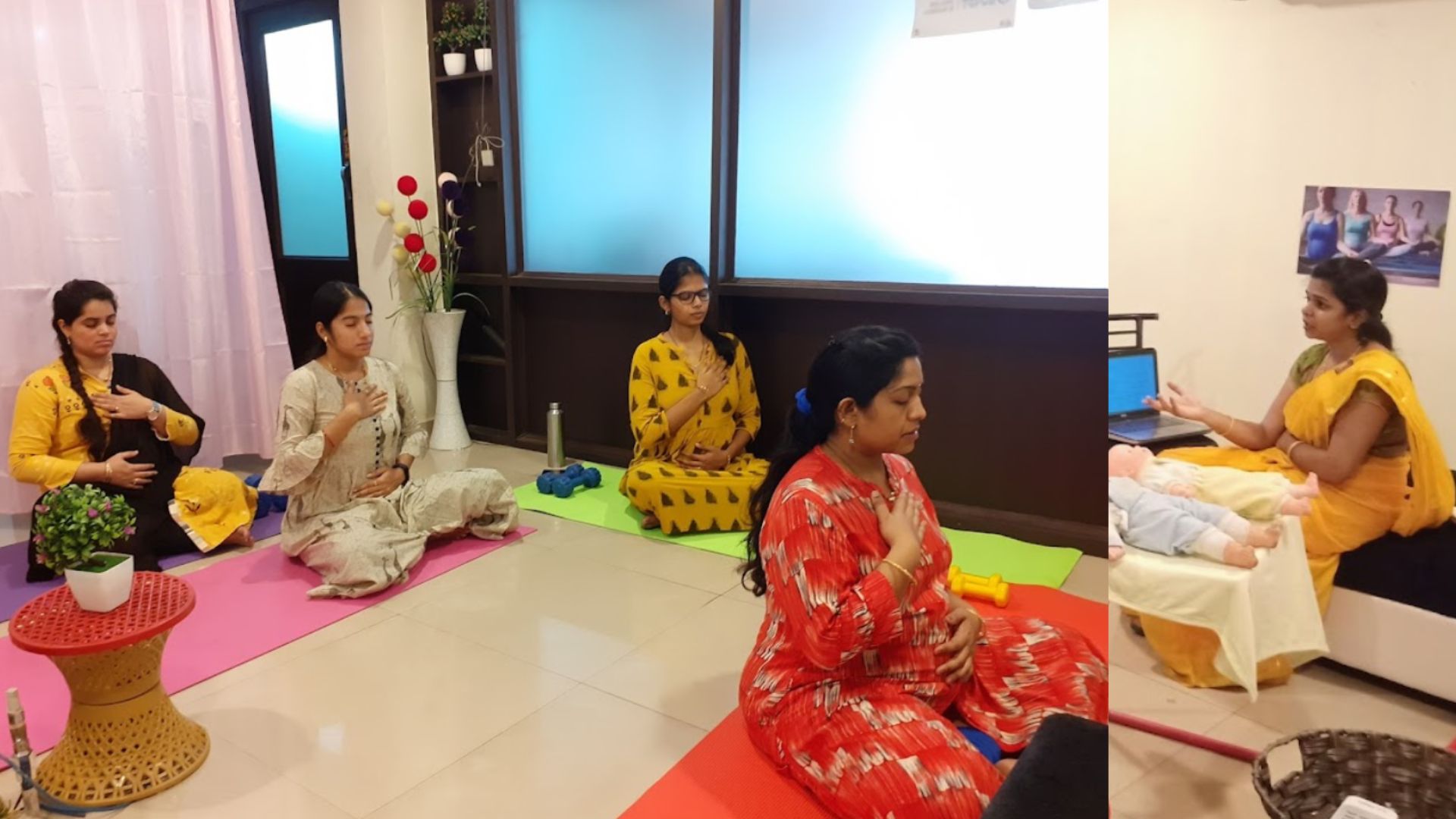
Mindful Prenatal Yoga - Practicing mindfulness through yoga helps reduce stress and improve connection with your baby.
1. Garbha Sanskar: Nurturing the Mind and Spirit
Pregnancy isn’t just about your body—it’s about your mind and soul, too. Garbha Sanskar is an ancient Indian practice that understands this, emphasizing the power of positivity, mindfulness, and spiritual rituals. This tradition helps nurture a calm environment for both you and your baby.
Key Takeaways:
Positive Thinking: Your emotional state influences your baby’s mental and emotional development.
Holistic Care: It’s not just about the physical—emotional and spiritual well-being are just as crucial.
Spiritual Practices: Incorporate meditation or chanting to create a peaceful atmosphere.
Research shows that maternal stress can negatively impact your baby’s development, but maintaining emotional well-being can improve stress resilience and foster healthy brain development. That’s why embracing Garbha Sanskar during pregnancy can make a real difference!
Pregnancy Meditation - Focusing on spiritual practices like meditation can create a calm and positive pregnancy experience.
2. Mindfulness: Stay Present, Stay Calm
Mindfulness is your secret weapon against pregnancy stress and anxiety. Focusing on the present moment—whether through deep breathing or meditation—helps you connect with your body and your baby.
Benefits of Mindfulness:
Reduced Stress: Mindfulness lowers stress hormones, which is great for both you and your baby.
Stronger Bonding: Staying present fosters a deeper connection with your little one.
How to Begin:
Daily Meditation: Spend just 5-10 minutes each day in silence. Focus on your breath, and let your mind relax.
Prenatal Yoga: A gentle, calming way to support your mental and physical well-being while easing those common pregnancy aches.
Research proves that mindfulness practices can improve your mood, reduce anxiety, and help you build a stronger bond with your baby. It’s a win-win.
Mindful Pregnancy Practices - Breathing exercises help expectant mothers reduce stress and enhance bonding with their babies.
3. Early Bonding: Strengthen the Connection with Your Baby
Your baby may not be born yet, but they’re already responding to the world around them. By the second trimester, your baby can hear your voice and feel your touch—making this the perfect time to bond.
How to Bond:
Talking and Singing: By the third trimester, your baby can recognize your voice. Talking or singing to them strengthens this bond.
Gentle Belly Massages: Massaging your belly not only helps you relax but also strengthens the connection with your baby.
Research shows that babies can distinguish familiar voices by 24 weeks, and these early bonds positively influence their language development after birth. Start bonding today—it’s easier than you think.
Bonding with Baby - Talking or singing to your baby during pregnancy builds early connections and fosters language development.
4. Fetal Development: Early Awareness
Your baby is more aware than you realize. Around the second trimester, your little one starts reacting to sounds, light, and even your emotional state. Creating a positive environment is key to fostering healthy development.
Development Milestones:
18-24 weeks: Your baby begins hearing and reacting to sounds.
28 weeks: Your baby perceives light and responds to external stimuli.
Studies suggest these responses are early signs of consciousness. Your baby is already engaging with the world—so creating a calm, loving environment is more important than ever.
Fetal Development - By the second trimester, your baby is already responding to the world around them, from sounds to light.
5. Nutrition: Fuel for a Healthy Pregnancy
What you eat directly impacts both your health and your baby’s growth. A balanced diet rich in essential nutrients like folic acid, iron, calcium, and omega-3s supports brain and body development.
Key Nutrients:
Folic Acid: Crucial for preventing birth defects and aiding in brain development.
Iron and Calcium: Iron supports blood production, while calcium strengthens your baby’s bones.
Omega-3 Fatty Acids: Vital for brain and eye development.
Healthy Eating Tips:
Eat a variety of fruits, vegetables, lean proteins, and whole grains.
Stay hydrated, and don’t forget to consult your doctor about prenatal vitamins.
Proper nutrition is foundational to preventing birth defects and ensuring your baby’s long-term health. Make every meal count!
Healthy Pregnancy Diet - Eating a variety of nutrient-dense foods supports your baby's growth and well-being.
6. Gentle Exercise: Preparing Your Body for Labour
Staying active during pregnancy doesn’t have to be complicated. Simple activities like walking, prenatal yoga, and stretching are excellent ways to keep your body strong and prepare for labour.
Recommended Exercises:
Prenatal Yoga: Relieve back pain, improve circulation, and promote relaxation.
Walking: A simple yet effective way to keep moving.
Stretching: Helps ease aches and improves flexibility.
Doctors agree—regular exercise during pregnancy can reduce complications and boost overall well-being. Listen to your body and enjoy the movement!
7. Emotional Well-being: Surround Yourself with Positivity
Your emotional health matters. Surrounding yourself with positive influences, building a support system, and practicing mindfulness can help create a joyful pregnancy experience.
Emotional Health Tips:
Build a Support Network: Stay connected with family and friends who offer emotional support.
Journal: Writing about your pregnancy can help you process emotions and track this incredible journey.
Daily Mindfulness: Spend a few moments each day sitting quietly, breathing deeply, and letting go of stress.
Research shows that reducing stress during pregnancy leads to better outcomes for both you and your baby. A positive, supportive environment fosters healthy fetal development and makes your pregnancy journey smoother.
Pregnancy Journaling - Writing about your experiences helps you process emotions and create positive memories.
Ready to Make Your Pregnancy Blissful?
At Blissful Pregnancy, we believe every woman deserves a peaceful, healthy, and joyful pregnancy. Dr. Ramya Sadaram, Dr. Nalini Sadaram and her team offer comprehensive prenatal care and childbirth education classes, both in-person and online. Whether it’s mastering mindfulness, understanding your baby’s development, or preparing for labour, we’ve got you covered. Let’s make this journey blissful—together.